I’d achieve next-level success if I had more money …
If my family and friends would support me…
If I had a better education…
Lived in a different area…
Had access to better connections…
But what if I told you that you’ve been lied?
There Are 1,700 New Millionaires Every Day In America Alone… Many of them have not come from rich families, did not go to the best schools, had zero connections when they started…
So what’s Their Secret?
What if you already have all you need to become a successful business consultant…but you were just never taught how to unlock it?
Just like athletes need a coach helping them steadily train to higher levels… You do too.
That’s why I’m inviting you to this special LIVE training where I’ll reveal all the strategies and tactics that I’ve used to help thousands of consultants and businesses thrive in less than 1 year and share my secrets to a successful Business Consultant career.
Plus, you’ll get certified as a Business Consultant…
Before I share with you MY GOAL for this exclusive training… let me ask you a few questions…
Online Bachelor of Arts in Social Justice and Human Rights
Arizona State University’s online Bachelor of Arts in social justice and human rights provides you with deep theoretical and practical knowledge of these two related fields. You’ll examine some of the most critical issues related to race, gender, sexuality, immigration and more while also learning the skills needed to lead positive change for marginalized communities.
Have questions about the Social Justice and Human Rights (BA)? Fill out this form and we’ll get in touch!
* Indicates a required field* First name* Last name* Email* Phone numberPhone number * Have you served in the U.S. Military or are you a military dependent?YesNo
By submitting my information, I consent to ASU contacting me about educational services using automated calls, prerecorded voice messages, SMS/text messages or email at the information provided above. Message and data rates may apply. Consent is not required to receive services, and I may call ASU directly at 866-277-6589. I consent to ASU’s mobile terms and conditions, and Privacy Statements, including the European Supplement.Tuition
Make a difference with a career in social justice and human rights
This program prepares you for a rewarding career where you can make a difference in your community and around the world. If you’re interested in volunteering or working for organizations that advance the causes of social justice and human rights, this program may be a great fit for you. Upon graduation, you’ll be prepared to work in community-engaged advocacy and effectively support marginalized groups.
The skills you’ll develop in this program
A social justice and human rights degree is an interdisciplinary program that prepares you to advocate for rights and equality in local, national and global contexts. This program draws from a variety of social science disciplines including politics, sociology, history, anthropology and linguistics. Examining perspectives from all of these disciplines will prepare you to address pressing issues related to racial justice, immigration, feminism, refugee rights and more.
In addition to gaining broad expertise in these topics, you’ll be equipped with transferable skills from across the social sciences, including writing, communication, research and statistical analysis of human rights data. As you hone your skills in writing and research, you’ll gain essential knowledge related to rights and justice by taking nine credit hours from three different interdisciplinary tracks:
Identity and place.
Law, citizenship and migration.
Social justice and inequality.
Get the opportunity to participate in research with faculty
As a student, you’ll have the opportunity to participate in research with faculty for funding or academic credit through the New College Undergraduate Inquiry and Research Experience program. The faculty you meet throughout your courses can help you connect to other faculty who share your interests and have space for an NCUIRE student. This research can strengthen your resume and allow you to stand out among the competition when entering the workforce.
Will my diploma say ‘online’?
No, Arizona State University’s diplomas don’t specify whether you earn your degree online or in person. All diplomas and transcripts simply say “Arizona State University.”
Social justice and human rights courses
Courses in this program approach human rights and justice topics, including political, social and cultural perspectives. Most classes culminate with a paper that showcases the area-specific knowledge you developed in that course. The program culminates with a capstone course in which you’ll showcase the skills you’ve developed throughout the program and prepare for future employment.
What you can do with a social justice and human rights degree
This program prepares you for a career advocating for social justice and protecting human rights. Upon graduation, you can pursue jobs at nonprofits and inter-governmental organizations, such as Amnesty International, Human Rights Watch, United Nations, domestic violence shelters and various social justice organizations. You’ll also be qualified to apply for positions within government agencies, advocacy organizations, aid groups and more. Many graduates also go on to law school and pursue careers as public interest attorneys. Additional potential careers include, but aren’t limited to:
Study with some of the brightest, most innovative academic minds in the world
As an online student at ASU, you’ll get the New College experience from the same faculty who teach our courses on campus from anywhere in the world. Our faculty members are some of the brightest, most innovative academic minds in the world. Our areas of expertise include psychology, anthropology, geography, political science, cybersecurity, forensic science and more. Our mission is to create an environment that prepares students to take their place in the world using the skills they have learned to pursue careers that benefit their community.
How to apply
I am a future
first-year student
You’re considered a first-year student for application purposes if you’ve never attended college or have fewer than 12 transferable credit hours.
You can still gain general admission to most online programs at ASU through Earned Admission. Through this pathway, you can demonstrate your ability to succeed at ASU by completing online courses with a 2.75 GPA or higher.
To begin, submit an application to ASU. An enrollment coach will reach out with more information if Earned Admission is right for you.
*Some programs may have higher admission requirements. You must meet all program requirements to be admitted.
Study at one of the top-ranked universities in the nation
ASU is a global university recognized for its commitment to innovation, research and high-quality academic programs. Our university has been recognized with peer-reviewed honors from U.S. News & World Report.
#1
in innovation for 9 consecutive years, ahead of Stanford and MIT.
Top 5
best online bachelor’s programs.
Top 10%
best global universities.
80%
of graduates reported their experiences at ASU inspired them to explore new career opportunities.
Tuition calculator
Use our calculator to estimate your full-time or part-time tuition fees for this program prior to any financial aid. Keep in mind that most of our students receive financial aid, which can reduce out-of-pocket costs. Learn more.
Liberty University’s 100% online Doctor of Strategic Leadership degree is designed to give you theoretical insight and practical applications of management and leadership by focusing on the broad concepts of leadership. If you are looking for the opportunity to work in consulting or on executive projects, you will find that our Doctor of Strategic Leadership degree program will provide you with the skills you need to be successful in these career fields. Enrollment for our doctorate in strategic leadership is not limited to individuals with a business-related graduate degree.
Our online Doctor of Strategic Leadership program can help you excel in the top tiers of the corporate world. You will examine how to direct organizational change and develop servant leadership, as well as master executive leadership and management theory. Throughout Liberty’s strategic leadership degree, you will learn new strategies on how to integrate the Christian worldview into your business practices.
“In the times in which we’re living today, Liberty University’s mission, the mission of training up a generation of Champions for Christ in literally every occupation, has never been more important.”
FORMER VICE PRESIDENT MIKE PENCE
Experience That Matters to You
As an accredited Christian college with a 7,000-acre campus in Lynchburg, Virginia, Liberty University offers you an education that is both academically challenging and rooted in a biblical worldview.
At Liberty, you’ll benefit from 35+ years of learning, growing, adapting, and innovating for the distance learner — and more than a decade of researching the needs of the online student. You can be confident that we’ve taken the time to learn what’s important to you.
And what’s that?
Affordability
Accessibility
Academic Quality
These important factors challenged us to find new financial solutions, get ahead of industry trends, and blaze trails into cutting-edge career fields — and it’s paid off. That’s the difference experience makes.
Ranked in the top 10% of Niche.com’s best online schools in Americaand recognized by multiple institutions for academic quality, affordability, and accessibility.
Why Choose Liberty University?
Enjoy Flexible Courses
Choose from a wide variety of programs at the associate, bachelor’s, master’s, and doctoral level, most of which are 100% online*. With an 8-week format and 8 start dates per year, it’s easy to fit your courses around your schedule!
* Some exclusions apply. Please refer to our exclusions page for more information.
Maximize Your Time
Start and finish your degree faster! Liberty requires no standardized testing for admission, and you can transfer previous course credit — transfer in up to 75% of a bachelor’s degree and up to 50% of a master’s, postgraduate, or doctoral degree — or discover how your life, career, or military experience may count toward your college degree.
Grow in Your Faith
All of our courses are taught from a Christian perspective, and our faculty see themselves as mentors. Our mission is to Train Champions for Christ — we’re committed to championing you as you study to go further in your field, become a leader in your industry, or start a new career.
Access Academic Support
Throughout your educational journey, you will have access to academic resources that will aid in the completion of your degree. Services include our online library, writing center, tutoring, study aids, IT assistance, 30+ tutorial videos, live webinars, and personalized help from our academic advising team.
An Online Education with On-Campus Benefits
Cheer on 20 NCAA Division I games that air nationwide
Graduate with your peers
Be inspired by world-renowned speakers at Convocation
Why We’re Nonprofit
As a nonprofit (not-for-profit) university, Liberty is in the business of training skilled professionals to make a difference in the world – not gaining profit, revenue, or producing dividends for shareholders. In keeping with our commitment to your education, we invest our resources back into degree programs and into your student experience.
While many other online colleges have raised tuition, Liberty has been able to keep costs low as a nonprofit university and has not increased tuition for 9 straight years. Lower tuition means less student loan debt for students.
For Liberty University, nonprofit is more than a status; it is a valuable opportunity to invest in the lives of students who will go out and impact the world.
Nearly 80% of all Liberty students in an online program are awarded financial aid. Virginia residents may qualify for additional aid — learn more!
Corporate Tuition Assistance
Deferred – If your company reimburses you for the cost of your education, you pay only a portion of your balance up front. You submit your grades to your employer who pays you, and then you pay the remaining balance for your classes.
Tuition Discounts
Qualified military service members, veterans, and their spouses can receive up to 55% off their tuition rate for eligible programs!
Contact one of our Admissions Counselors for more information by calling (888) 230-1658.
*Some restrictions may occur for this promotion to apply. This promotion also excludes active faculty and staff, military, Non-Degree Seeking, DGIA, Continuing Education, WSB, and Certificates. 1971 University Blvd., Lynchburg, Virginia 24515
The administrative structure of an American university includes formations such as the president, provost, deans, department chairs, and various administrative departments.
The president serves as the highest-ranking official, overseeing general leadership, while the provost manages academic affairs. Deans are responsible for specific colleges, and department chairs lead academic departments. Additionally, administrative personnel manage functions like finance, marketing, and information technology to support the university’s strategic goals and enhance the overall academic experience.
In further detail, the president collaborates with a board of trustees for major decisions. The provost focuses on academic curriculum and faculty matters, while deans oversee aspects like admissions and program development within their respective colleges. Department chairs lead faculty and guide academic programs at the departmental level. This collaborative and multifaceted structure ensures effective governance and coordination within the university, fostering a dynamic and thriving educational environment.
Moreover , the administrative personnel encompass roles managing diverse administrative areas such as human resources, financial affairs, marketing, and information technology.
These individuals contribute to achieving administrative goals and ensuring the university operates efficiently.
Together, this comprehensive administrative structure aims to balance leadership, academic excellence, and operational efficiency, ultimately enhancing the overall functioning and success of the American university.
The administrative structure of an American university includes formations such as the president, provost, deans, department chairs, and various administrative departments. The president serves as the highest-ranking official, overseeing general leadership, while the provost manages academic affairs.
Deans are responsible for specific colleges, and department chairs lead academic departments. Additionally, administrative personnel manage functions like finance, marketing, and information technology to support the university’s strategic goals and enhance the overall academic experience.
1. **Research and Planning:** Understand the educational landscape, identify the type of university you want to establish, and conduct thorough research.
2. **Legal Requirements:** Comply with federal and state laws governing the establishment of educational institutions. This may involve obtaining accreditation and meeting specific standards.
3. **Funding:** Secure funding for the university’s infrastructure, faculty salaries, and ongoing operational costs. This can come from various sources, including grants, donations, and loans.
4. **Infrastructure and Facilities:** Acquire or build suitable facilities, classrooms, libraries, and other necessary infrastructure to support educational activities.
5. **Curriculum Development:** Design a comprehensive curriculum that aligns with accreditation standards and meets the educational needs of your target audience.
6. **Faculty Recruitment:** Recruit qualified faculty members who can contribute to the academic success of the university.
7. **Accreditation:** Seek accreditation from relevant accrediting bodies. Accreditation is crucial for the recognition and credibility of the university.
8. **Student Recruitment:** Develop strategies to attract and enroll students. This may involve marketing efforts, scholarship programs, and partnerships with schools or other educational institutions.
9. **Administration:** Establish administrative structures and policies to manage the day-to-day operations of the university efficiently.
10. **Launch:** Once all requirements are met, officially launch the university and commence educational activities.
It’s important to note that the process can vary depending on the type of university and the state regulations. Seeking legal advice and consulting with educational experts can be beneficial.
11. **Community Engagement:** Foster connections with the local community and educational organizations. Building positive relationships can enhance the university’s impact and support.
12. **Technology Integration:** Incorporate modern technologies into educational practices, administrative processes, and communication to enhance the overall learning experience.
13. **Diversity and Inclusion:** Promote diversity and inclusion in all aspects of the university, including faculty, staff, and student body. Create an inclusive environment that values different perspectives.
14. **Continuous Improvement:** Establish mechanisms for ongoing assessment and improvement of academic programs, services, and facilities to maintain high-quality standards.
15. **Partnerships:** Explore collaborations with industry partners, research institutions, and other universities to enhance research opportunities, student experiences, and overall university development.
16. **Adaptability:** Stay informed about evolving trends in education and be adaptable to changes in technology, pedagogy, and societal needs.
17. **Compliance:** Stay updated on changing regulations and compliance requirements to ensure the university’s operations align with legal standards.
18. **Public Relations:** Develop effective public relations and communication strategies to promote the university’s achievements, milestones, and contributions to education.
19. **Alumni Engagement:** Build and maintain relationships with alumni, involving them in university activities, fundraising, and mentoring programs.
Global Perspective:** Consider incorporating international programs, partnerships, and a global perspective in the curriculum to prepare students for a diverse and interconnected world.
Remember, each university’s journey is unique, so adapting these steps to specific circumstances is essential. Consulting with experts and experienced professionals in the field can provide valuable insights tailored to your university’s goals.
21. **Research Initiatives:** Foster a culture of research and innovation within the university. Encourage faculty and students to engage in meaningful research projects that contribute to academic advancements.
22. **Governance Structure:** Establish a clear governance structure defining the roles and responsibilities of administrators, faculty, and other stakeholders, ensuring effective decision-making and accountability.
23. **Sustainability:** Integrate sustainable practices into the university’s operations, including environmentally friendly campus initiatives and responsible resource management.
24. **Student Support Services:** Develop comprehensive support services, such as counseling, career guidance, and extracurricular activities, to enhance the overall student experience.
25. **Quality Assurance:** Implement mechanisms for quality assurance and continuous monitoring of academic programs to ensure they meet or exceed established standards.
26. **Admissions Process:** Define a transparent and fair admissions process that aligns with the university’s values and goals, attracting a diverse and talented student body.
27. **Ethical Practices:** Uphold ethical standards in all university activities, promoting integrity, honesty, and a commitment to academic and research ethics.
28. **Emergency Preparedness:** Develop protocols and plans for emergency situations, ensuring the safety and well-being of students, faculty, and staff.
29. **Legal Counsel:** Retain legal counsel with expertise in educational law to provide guidance on compliance, contractual agreements, and dispute resolution.
30. **Community Outreach:** Actively engage with the local community through outreach programs, events, and partnerships, contributing positively to the region’s development.
Remember to tailor these considerations to the specific context and goals of your university. Seeking advice from experienced professionals and networking within the academic community can provide valuable insights for a successful establishment.
31. **Technological Infrastructure:** Invest in robust IT infrastructure, including e-learning platforms, to facilitate remote learning and keep up with technological advancements in education.
32. **Strategic Alliances:** Explore strategic alliances with businesses, governmental bodies, and nonprofit organizations to enhance educational offerings, research opportunities, and community impact.
33. **Adaptive Learning Models:** Embrace innovative and adaptive learning models, such as online courses, blended learning, and personalized education, to cater to diverse learning styles.
34. **Financial Management:** Implement effective financial management practices to ensure sustainability, transparency, and responsible use of resources.
35. **Student Feedback:** Establish mechanisms for collecting and acting upon student feedback to continuously improve teaching methods, curriculum, and overall student satisfaction.
36. **Crisis Management:** Develop a comprehensive crisis management plan that addresses various scenarios, ensuring the university can respond effectively to unexpected challenges.
37. **Professional Development:** Prioritize ongoing professional development for faculty and staff to stay current with educational trends, pedagogical approaches, and advancements in their respective fields.
38. **Innovative Teaching Methods:** Encourage faculty to explore and implement innovative teaching methods, incorporating real-world applications and practical experiences into the curriculum.
39. **Open Communication Channels:** Maintain open communication channels with all stakeholders, fostering a culture of transparency, collaboration, and shared decision-making.
40. **Long-Term Vision:** Define a clear and inspiring long-term vision for the university, outlining its contribution to education, research, and societal development over the years.
Remember that the establishment and growth of a university require continuous adaptation to changing landscapes and a commitment to excellence in education. Regularly reassessing goals and strategies will contribute to the sustained success of the institution.
41. **Global Networking:** Actively participate in global academic networks, conferences, and collaborative initiatives to enhance the university’s international exposure and academic standing.
42. **Adaptive Assessment Strategies:** Implement varied and adaptive assessment strategies that go beyond traditional exams, promoting critical thinking, creativity, and practical application of knowledge.
43. **Community Service Initiatives:** Integrate community service and outreach into the curriculum, encouraging students to apply their skills and knowledge to address real-world challenges.
44. **E-Libraries and Digital Resources:** Develop extensive e-libraries and digital resources to support research endeavors, giving students and faculty access to a wide range of academic materials.
45. **Cross-Disciplinary Programs:** Facilitate interdisciplinary collaboration by offering joint programs, research projects, and initiatives that bridge different academic disciplines.
46. **Cybersecurity Measures:** Prioritize cybersecurity measures to protect sensitive information and ensure the privacy and security of students, faculty, and institutional data.
47. **Flexible Learning Spaces:** Design flexible learning spaces that accommodate various teaching methods, collaborative activities, and technology integration.
48. **Professional Ethics Education:** Integrate courses on professional ethics and responsible conduct into the curriculum to foster ethical behavior among students and faculty.
49. **Entrepreneurial Support:** Provide support for entrepreneurial initiatives, encouraging students and faculty to explore and develop innovative ideas with potential real-world applications.
50. **Strategic Marketing:** Develop a strategic marketing plan to promote the university’s unique strengths, attract prospective students, and establish a distinctive brand in the education sector.
These additional considerations reflect the dynamic and evolving nature of higher education. Adapting to emerging trends and actively seeking opportunities for improvement will contribute to the long-term success and impact of the university.
51. **Mental Health Support:** Prioritize mental health support services for students and faculty, recognizing the importance of well-being in academic success.
52. **Student Mentorship Programs:** Establish mentorship programs connecting experienced faculty with students to provide guidance, support, and career advice.
53. **Inclusive Policies:** Develop and enforce inclusive policies that address diversity, equity, and inclusion, fostering a welcoming and supportive environment for everyone.
54. **Environmental Sustainability:** Implement environmentally sustainable practices across the campus, promoting initiatives that reduce the university’s ecological footprint.
55. **Data Analytics for Decision-Making:** Utilize data analytics for informed decision-making, including enrollment trends, student performance metrics, and resource allocation.
56. **Civic Engagement Initiatives:** Encourage students to participate in civic engagement activities, promoting social responsibility and community involvement.
57. **Cultural Exchange Programs:** Facilitate cultural exchange programs, encouraging students to broaden their perspectives through international study opportunities.
58. **Intercollegiate Sports Programs:** Consider incorporating intercollegiate sports programs, enhancing campus life and promoting physical well-being.
59. **Online Collaboration Tools:** Implement effective online collaboration tools for faculty and students, supporting seamless communication and collaboration.
60. **Continuous Evaluation:** Regularly evaluate the effectiveness of academic programs, policies, and initiatives, making adjustments based on feedback and changing educational landscapes.
These additional considerations address various aspects of university life, ensuring a holistic and enriching experience for the university community. Continuous evaluation and adaptation are key to meeting the evolving needs of students and the broader educational community.
61. **Holistic Student Development:** Emphasize holistic student development by offering extracurricular activities, leadership programs, and opportunities for personal growth.
62. **Strategic Philanthropy:** Develop strategic philanthropy initiatives to attract donations and endowments that can contribute to scholarships, research funding, and infrastructure development.
63. **E-Learning Accessibility:** Ensure e-learning materials and platforms are accessible to all students, including those with disabilities, promoting inclusivity in education.
64. **Dual Degree Programs:** Explore partnerships with other universities to establish dual degree programs, providing students with a broader educational experience.
65. **Research Incubators:** Create research incubators or centers of excellence to encourage interdisciplinary research and innovation among faculty and students.
66. **Technology Transfer Offices:** Establish technology transfer offices to facilitate the commercialization of research findings and promote collaboration with industry.
67. **Adaptive Education Technology:** Stay abreast of emerging educational technologies, incorporating adaptive learning systems and immersive experiences into the curriculum.
68. **Student Governance:** Encourage student involvement in governance through student councils, promoting a sense of responsibility and shared decision-making.
69. **Flexible Degree Paths:** Offer flexible degree paths, such as accelerated programs or part-time options, catering to diverse student needs and schedules.
70. **Public-Private Partnerships:** Explore opportunities for public-private partnerships to enhance resources, infrastructure, and collaborative research endeavors.
These additional considerations encompass various dimensions of university development, fostering an environment that supports innovation, accessibility, and the holistic growth of students and faculty.
71. **Online Certification Programs:** Develop online certification programs to provide non-degree seeking individuals with opportunities for skill development and professional advancement.
72. **Data Privacy Policies:** Establish robust data privacy policies to safeguard student and faculty information, ensuring compliance with relevant regulations.
73. **Institutional Resilience:** Create plans for institutional resilience, including contingency plans for emergencies, financial stability, and adaptability to changing educational landscapes.
74. **Ethical Research Practices:** Emphasize ethical research practices, including responsible conduct of research training and measures to prevent plagiarism and academic misconduct.
75. **Cross-Cultural Competence Training:** Integrate cross-cultural competence training for faculty and staff to enhance cultural awareness and promote a globally inclusive learning environment.
76. **Hybrid Learning Models:** Explore hybrid learning models that combine traditional classroom instruction with online components, providing flexibility for diverse student needs.
77. **Health and Wellness Programs:** Implement health and wellness programs on campus to support physical and mental well-being, contributing to a positive university experience.
78. **Industry Advisory Boards:** Establish industry advisory boards for academic programs, ensuring curriculum relevance and fostering strong connections with the professional community.
79. **Student Research Conferences:** Organize student research conferences or symposiums to showcase and celebrate student achievements in research and academia.
80. **Strategic Enrollment Management:** Develop strategic enrollment management plans to optimize student recruitment, retention, and graduation rates.
These additional considerations aim to further enhance the university’s resilience, ethical standards, and responsiveness to the evolving needs of students and the broader community.
81. **Digital Literacy Programs:** Integrate digital literacy programs into the curriculum to equip students with essential skills for the digital age.
82. **Alternative Credentialing Options:** Explore alternative credentialing options, such as micro-credentials or digital badges, to recognize and validate specific skills acquired by students.
83. **Faculty Development Grants:** Offer faculty development grants to support research, attendance at conferences, and professional growth opportunities.
84. **Student Innovation Hubs:** Create innovation hubs where students can collaborate on projects, explore entrepreneurial ideas, and engage in hands-on learning experiences.
85. **Blockchain Technology for Credentials:** Investigate the use of blockchain technology to secure and streamline the verification process for academic credentials and certifications.
86. **International Exchange Programs:** Expand international exchange programs, encouraging students to study abroad and fostering a diverse and global perspective.
87. **University-Industry Research Collaboration:** Facilitate research collaboration between the university and industry partners to address real-world challenges and promote technology transfer.
88. **Admissions Transparency:** Enhance transparency in the admissions process, providing clear information about criteria, requirements, and selection procedures.
89. **Cultivate Alumni Networks:** Actively cultivate and engage alumni networks to strengthen connections, facilitate mentorship, and garner support for the university.
90. **Interdisciplinary Research Grants:** Establish grants specifically for interdisciplinary research projects, encouraging collaboration across different academic disciplines.
These additional considerations aim to enrich the university experience, promote innovation, and strengthen connections with both the academic and professional communities.
91. **Social Impact Initiatives:** Develop and support initiatives that contribute to social impact, such as community service projects, sustainable development programs, and partnerships with NGOs.
92. **Peer Mentoring Programs:** Implement peer mentoring programs to facilitate the integration of new students, providing guidance and support from experienced peers.
93. **High-Impact Educational Practices:** Incorporate high-impact educational practices, such as undergraduate research opportunities, internships, and capstone projects, into the curriculum.
94. **Crisis Communication Plan:** Establish a comprehensive crisis communication plan to effectively communicate with the university community, stakeholders, and the public during challenging situations.
95. **Virtual Reality Learning:** Explore the integration of virtual reality (VR) and augmented reality (AR) technologies for immersive learning experiences in specific fields.
96. **Early Warning Systems:** Implement early warning systems to identify and support students who may be facing academic challenges or personal difficulties.
97. **Public Art Installations:** Enhance the campus environment with public art installations, promoting creativity and cultural expression.
98. **Open Educational Resources (OER):** Promote the use of open educational resources to reduce textbook costs for students and enhance accessibility to learning materials.
99. **Mindfulness and Wellness Spaces:** Create dedicated spaces on campus for mindfulness, meditation, and wellness activities to support mental health and stress reduction.
100. **Strategic Alumni Giving Campaigns:** Develop strategic alumni giving campaigns, encouraging financial contributions to support scholarships, research initiatives, and campus development.
These additional considerations encompass a wide range of areas to foster a vibrant, inclusive, and innovative university environment. Continuously evolving and adapting to emerging trends will contribute to the sustained success of the institution.
101. **Global Learning Initiatives:** Integrate global learning initiatives into the curriculum, encouraging students to engage with international perspectives and global issues.
102. **Smart Campus Technology:** Implement smart campus technologies, including IoT devices and data analytics, to enhance operational efficiency and provide a technologically advanced learning environment.
103. **Fintech Programs:** Explore the development of programs related to financial technology (fintech), preparing students for careers in the evolving financial industry.
104. **Digital Ethics Education:** Include courses on digital ethics and responsible technology use to educate students about ethical considerations in the digital era.
105. **Student-Designed Courses:** Encourage students to propose and design their own courses, fostering creativity, self-directed learning, and a sense of ownership in their education.
106. **Accessibility Advocacy:** Advocate for accessibility in education by ensuring that all digital and physical learning resources are accessible to students with disabilities.
107. **Robotics and AI Labs:** Establish labs or initiatives focused on robotics and artificial intelligence (AI), providing students with hands-on experience in emerging technologies.
108. **Science Communication Programs:** Offer programs that teach students effective science communication skills, bridging the gap between scientific research and public understanding.
109. **Inclusive Career Services:** Develop inclusive career services that cater to diverse student needs, supporting career exploration, internships, and job placement.
110. **Gamification in Education:** Explore the integration of gamification elements in educational programs to enhance student engagement and motivation.
These additional considerations continue to explore innovative approaches and emerging trends in education, preparing students for the challenges and opportunities of the future.
111. **Augmented Learning Spaces:** Implement augmented reality (AR) in learning spaces to provide interactive and immersive educational experiences.
112. **Green Building Initiatives:** Embrace sustainable and eco-friendly building practices, incorporating green technologies and designs in new construction projects.
113. **Experiential Learning Platforms:** Integrate experiential learning platforms that simulate real-world scenarios, allowing students to apply theoretical knowledge in practical settings.
114. **Ethical Leadership Programs:** Develop programs focused on ethical leadership, emphasizing values, integrity, and responsible decision-making in future leaders.
115. **Language Learning Partnerships:** Form partnerships with language learning platforms or institutions to offer diverse language courses and enhance cultural understanding.
116. **Healthcare Simulation Labs:** Establish simulation labs for healthcare programs, providing realistic training scenarios for medical and nursing students.
117. **Online Peer Review Platforms:** Introduce online peer review platforms to facilitate constructive feedback and collaborative learning among students.
118. **Digital Citizenship Education:** Include courses on digital citizenship to educate students about responsible online behavior, privacy, and ethical use of technology.
119. **Critical Thinking Across Disciplines:** Promote the integration of critical thinking skills across various disciplines, fostering analytical and problem-solving abilities.
120. **Open Innovation Initiatives:** Encourage open innovation initiatives, collaborating with external stakeholders, industry partners, and the wider community for research and development projects.
These additional considerations continue to explore cutting-edge educational strategies, technology integration, and ethical principles to prepare students for a rapidly evolving world.
121. **Civic Technology Programs:** Introduce programs focused on civic technology, encouraging students to use technology for civic engagement, community development, and social impact.
122. **Intergenerational Learning Experiences:** Facilitate intergenerational learning experiences, bringing together students and older community members to share knowledge and experiences.
123. **Quantum Computing Education:** Explore incorporating education and research initiatives related to quantum computing, preparing students for advancements in this emerging field.
124. **Personalized Learning Pathways:** Develop personalized learning pathways, allowing students to tailor their educational journey based on individual interests, strengths, and career goals.
125. **Humanitarian Engineering Programs:** Establish programs in humanitarian engineering, emphasizing the use of engineering skills to address global challenges and contribute to sustainable development.
126. **Microlearning Modules:** Implement microlearning modules, delivering bite-sized educational content that allows for flexible and efficient learning.
127. **Blockchain in Education:** Explore the use of blockchain technology in education for secure credentialing, academic records, and transparent verification processes.
128. **Public Health Initiatives:** Integrate public health initiatives into the curriculum, addressing community health, preventive measures, and healthcare disparities.
129. **Space Exploration Education:** Offer courses and programs related to space exploration and technology, inspiring students to engage in aerospace and space science.
130. **Neuroscience and Education Research:** Foster collaboration between neuroscience and education departments to explore the intersection of brain science and effective teaching methods.
These considerations continue to delve into specialized areas, embracing interdisciplinary approaches and aligning education with emerging fields and societal needs.
131. **Community-Based Research Projects:** Encourage community-based research projects, allowing students to collaborate with local communities to address relevant issues.
132. **Augmented Soft Skills Training:** Integrate augmented reality or virtual reality tools for soft skills training, providing immersive scenarios for communication, teamwork, and leadership development.
133. **Financial Literacy Programs:** Implement comprehensive financial literacy programs to equip students with essential skills for budgeting, investing, and financial decision-making.
134. **E-Sports Programs:** Explore the inclusion of e-sports programs, recognizing and supporting the growing interest in competitive video gaming within the university community.
135. **Cross-Cultural Communication Courses:** Offer courses focusing on cross-cultural communication, helping students navigate diverse global environments with cultural sensitivity.
136. **Coding Bootcamps:** Provide coding bootcamps or short-term intensive programs to equip students with practical coding skills in response to industry demands.
137. **Mind-Body Wellness Courses:** Introduce holistic courses that emphasize the connection between mental and physical well-being, promoting a balanced and healthy lifestyle.
138. **Design Thinking Workshops:** Incorporate design thinking workshops into the curriculum to foster creative problem-solving and innovation across various disciplines.
139. **Quantitative Reasoning Courses:** Emphasize quantitative reasoning courses to enhance students’ ability to analyze and interpret data, making informed decisions in various fields.
140. **Legal Tech Education:** Explore educational programs related to legal technology (legal tech), preparing students for the intersection of law and technology in the legal profession.
These additional considerations reflect ongoing efforts to diversify educational offerings, address contemporary challenges, and prepare students for multifaceted roles in a rapidly evolving world.
141. **Bioinformatics Programs:** Develop programs in bioinformatics, leveraging data science and computational methods to analyze biological information and advance research in the life sciences.
142. **Global Health Diplomacy:** Introduce courses or programs in global health diplomacy, addressing international health challenges and the intersection of health and diplomacy.
143. **Culinary Arts and Gastronomy Studies:** Incorporate culinary arts and gastronomy studies, offering students the opportunity to explore the cultural and scientific aspects of food.
144. **Language Revitalization Initiatives:** Support language revitalization initiatives, partnering with indigenous communities to preserve and promote endangered languages.
145. **Human-Robot Interaction Research:** Engage in research and education focused on human-robot interaction, exploring the ethical, social, and technical aspects of robotics.
146. **Financial Technology (FinTech) Labs:** Establish FinTech labs to provide students with hands-on experience in financial technology, blockchain, and digital finance.
147. **Marine Conservation Programs:** Offer programs in marine conservation, addressing environmental challenges and promoting sustainable practices in ocean ecosystems.
148. **Multilingual Education:** Implement multilingual education programs, fostering language diversity and proficiency in multiple languages.
149. **Social Justice Coding Projects:** Encourage coding projects that address social justice issues, allowing students to use technology for positive societal impact.
150. **Psychotherapy Training Clinics:** Create psychotherapy training clinics to provide students in psychology and counseling programs with practical experience under supervision.
These considerations continue to explore specialized and interdisciplinary areas, aiming to provide students with a diverse and relevant educational experience.
151. **Renewable Energy Research Centers:** Establish research centers dedicated to renewable energy, fostering innovation and advancements in sustainable energy solutions.
152. **Integrative Medicine Programs:** Introduce integrative medicine programs that combine conventional and complementary approaches to healthcare for a holistic approach.
153. **Smart Agriculture Initiatives:** Collaborate with the agriculture sector to develop smart agriculture initiatives, integrating technology for precision farming and sustainable practices.
154. **Science Journalism Courses:** Offer courses in science journalism to equip students with the skills to communicate scientific discoveries to the public through various media channels.
155. **Entrepreneurial Ecosystems:** Foster entrepreneurial ecosystems on campus, supporting student startups, innovation hubs, and collaboration with local businesses.
156. **Digital Anthropology Studies:** Explore digital anthropology studies, examining the cultural implications of technology and digital interactions in contemporary societies.
157. **Quantum Information Science Education:** Develop educational programs in quantum information science, preparing students for the evolving field of quantum computing and communication.
158. **Narrative Medicine Programs:** Integrate narrative medicine programs, emphasizing the importance of storytelling and empathy in healthcare and medical education.
159. **Disaster Resilience Courses:** Offer courses in disaster resilience, addressing the interdisciplinary aspects of preparing for and responding to natural and human-made disasters.
160. **Smart Cities Planning:** Collaborate with urban planning departments to incorporate smart cities planning, leveraging technology for sustainable and efficient urban development.
These additional considerations expand the educational landscape, incorporating emerging fields, interdisciplinary studies, and practical applications to prepare students for diverse and impactful roles in the modern world.
161. **Artificial General Intelligence (AGI) Research:** Engage in research and education focused on Artificial General Intelligence, exploring the development of highly autonomous systems with broad cognitive abilities.
162. **Aerospace Engineering Programs:** Develop aerospace engineering programs, providing students with expertise in designing and building aircraft and spacecraft.
163. **Community-Driven Research Initiatives:** Encourage community-driven research initiatives, allowing students and faculty to collaborate with local communities on projects addressing specific needs.
164. **Urban Agriculture Studies:** Offer studies in urban agriculture, exploring sustainable food production within urban environments and addressing food security challenges.
165. **Neuroethics Education:** Integrate neuroethics education into neuroscience programs, exploring the ethical implications of advances in brain science and technology.
166. **Disability Studies Programs:** Establish disability studies programs, fostering understanding, advocacy, and research on disability issues from a multidisciplinary perspective.
167. **Blockchain for Social Impact:** Explore the use of blockchain technology for social impact, addressing challenges in areas such as supply chain transparency, identity verification, and financial inclusion.
168. **Interactive Media Design Labs:** Set up labs focused on interactive media design, allowing students to explore innovative approaches to digital storytelling, gaming, and user experience.
169. **Holistic Wellness Retreats:** Organize holistic wellness retreats, providing opportunities for students to engage in mindfulness, self-reflection, and wellness practices.
170. **Educational Neuroscience Research Centers:** Establish research centers in educational neuroscience, examining the intersection of neuroscience and education to enhance learning outcomes.
These considerations continue to diversify educational offerings, reflecting emerging trends, societal needs, and the interdisciplinary nature of knowledge and skills required in the contemporary landscape.
171. **Language Technology Labs:** Develop language technology labs that focus on natural language processing, machine translation, and other advancements in language technology.
172. **Quantum Biology Research:** Engage in quantum biology research, exploring the potential quantum effects in biological processes and their implications for understanding life at the molecular level.
173. **Exoplanet Studies:** Incorporate studies in exoplanet research, allowing students to explore the discovery and characterization of planets beyond our solar system.
174. **Cultural Heritage Preservation Programs:** Offer programs in cultural heritage preservation, combining technology and traditional methods to safeguard and restore cultural artifacts.
175. **Inclusive Design Studios:** Establish design studios focused on inclusive design, encouraging the creation of products and environments accessible to individuals of all abilities.
176. **Global Supply Chain Management:** Introduce programs in global supply chain management, addressing the complexities of international logistics, trade, and sustainability.
177. **Educational Gaming Research:** Conduct research on educational gaming, exploring the impact of gamified learning experiences on student engagement and knowledge retention.
178. **Sustainable Tourism Studies:** Provide studies in sustainable tourism, examining responsible and eco-friendly practices in the tourism industry.
179. **Behavioral Economics Research Centers:** Create research centers in behavioral economics, studying the psychological factors influencing economic decision-making and policy implications.
180. **Digital Heritage Conservation:** Explore digital heritage conservation, utilizing technologies like 3D scanning and virtual reality to document and preserve cultural heritage sites.
These considerations continue to embrace interdisciplinary studies and cutting-edge research areas, reflecting the dynamic nature of education and its role in addressing global challenges.
181. **Quantum Materials Research:** Engage in quantum materials research, investigating the unique properties and applications of materials at the quantum level.
182. **Human-Computer Interaction Labs:** Set up labs focusing on human-computer interaction, exploring innovative interfaces, usability, and user experience design.
183. **Circular Economy Programs:** Offer programs in circular economy, educating students on sustainable practices that minimize waste and promote resource efficiency.
184. **Digital Forensics Education:** Introduce education in digital forensics, preparing students for roles in cybersecurity, incident response, and digital investigations.
185. **Media Psychology Research:** Conduct research in media psychology, examining the psychological impact of media on individuals and society.
186. **Geoengineering Studies:** Include studies in geoengineering, exploring potential interventions in Earth’s climate system to mitigate the effects of climate change.
187. **Augmented Healthcare Programs:** Develop programs in augmented healthcare, incorporating augmented reality and virtual reality technologies into medical training and patient care.
188. **Geospatial Data Analytics:** Incorporate geospatial data analytics into programs, enabling students to analyze and interpret data related to geographical locations.
189. **Intersectional Gender Studies:** Expand gender studies to include intersectional perspectives, examining the interconnected nature of gender with other social identities.
190. **Responsible AI Education:** Integrate education on responsible AI, addressing ethical considerations, bias mitigation, and societal impacts of artificial intelligence.
These considerations further highlight the evolving landscape of education, encompassing emerging fields, ethical considerations, and interdisciplinary approaches to prepare students for a dynamic future.
191. **Human-Robot Collaboration Research:** Engage in research on human-robot collaboration, exploring ways for humans and robots to work together effectively in various domains.
192. **Public Policy Analytics Programs:** Offer programs in public policy analytics, equipping students with data-driven approaches to analyze and address complex societal challenges.
193. **Digital Citizenship Advocacy:** Advocate for digital citizenship education at local and national levels, promoting awareness of responsible and ethical online behavior.
194. **Experimental Archaeology Initiatives:** Establish initiatives in experimental archaeology, allowing students to recreate and study ancient techniques to better understand past civilizations.
195. **Urban Resilience Planning:** Introduce urban resilience planning programs, focusing on creating cities that can withstand and adapt to environmental, social, and economic challenges.
196. **Collaborative Robotics Labs:** Set up labs dedicated to collaborative robotics, fostering innovation in the development of robots that can safely interact and collaborate with humans.
197. **Sustainable Business Practices Education:** Incorporate education on sustainable business practices, emphasizing the integration of environmental and social responsibility into corporate strategies.
198. **Biomimicry Research Centers:** Create research centers in biomimicry, exploring nature-inspired solutions for design, engineering, and innovation.
199. **Psychiatry and Technology Integration:** Explore the integration of technology in psychiatry, leveraging digital tools for mental health assessment, treatment, and support.
200. **Climate Change Education Initiatives:** Establish initiatives for climate change education, empowering students to understand and address the impacts of climate change through interdisciplinary approaches.
These considerations reflect the breadth and depth of possibilities in education, highlighting the continuous pursuit of knowledge and innovation to address evolving challenges and opportunities. If you have any more questions or if there’s anything specific you’d like to explore, feel free to ask
The American International University in the United States welcomes you to the first course held in Sulaymaniyah Governorate, Kurdistan Region of Iraq, in collaboration with the International Organization for Human Rights, titled How Leadership is Made”! We are excited to have you participate in this inspiring experience.
We extend a warm welcome to all participants in our sutotanding course “How Leadertship is Made, where we will explore together a unique journey to develop and enhance leadership skills.
The Leadership Development Program is a training program that helps you evolve your leadership style and acquire the necessary skills to master the art of leadership and management successfully. This includes motivating, inspiring, and guiding others. Learn how to become an outstanding leader for your team, your children, or your employees by applying a set of successful skills and methods used by the world’s best leaders.
In this course, we will stand together at the gates of a deep understanding of leadership and its arts. We will strive to provide a positive learning environment that encourages active participation. Our goal is to deliver rich and inspirational content that enables you to develop leadership skills and stimulates creative thinking.
This course will embody an opportunity to build strong communication and experience-sharing among participants. We hope that this experience will be a starting point for making a positive impact on your personal and professional paths.
We look forward to an inspiring learning journey and enriching your experience in “How Leadership is Made”!
The Leadership Course, in strong collaboration with the International Organization for Human Rights (USAGHR), the American Institute for Diplomacy and Capacity Development (AIDC), and the American International University (AIUE). We shed light on the importance of leadership and its impact in the workplace and society. “Leaders Make” embodies the idea of developing leadership to face challenges. True leadership emerges in adversity, where individuals shoulder responsibility effectively.
The course aims to enhance leadership skills for individuals, regardless of their backgrounds, opening up new horizons. It fosters participants’ understanding of contexts that require leadership and encourages them to take on responsibility. An opportunity to acquire leadership and influence skills, motivating participants to make a positive impact in their personal and professional lives.
Definition of leadership Leadership is defined as the ability to motivate and arouse the interest of a group of individuals, and to unleash their energies towards achieving the desired goals with all effectiveness and enthusiasm. Leadership can also be defined as the ability that distinguishes a leader from others by directing others in a way that can gain their obedience, respect, and loyalty, and sharpen their motivation. And creating cooperation between them in order to achieve a goal in itself, [1] Linguistically, the word leadership comes from the verb led to lead, to lead, to lead, and to lead, so he is a leader, and the object is led, meaning he walked in front of him and directed him and managed his affairs. [2] Leadership is related to many fields around the world. For example, one of the fields may be the leadership of society, religion, politics, and election campaigns. Therefore, leadership can be considered an art form that makes people do the things that the leader wants because they really want to do them. It also includes Leadership sometimes makes difficult and sound decisions, but these difficulties can be overcome by creating a clear vision to achieve goals.
leadership styles There are many leadership styles , and it is not necessary for all leaders to be similar, but the best leader is the leader who is familiar with all styles and is able to deal with the largest possible number of issues, regardless of their styles.
The most famous of these styles are the six leadership styles by Daniel Goleman, which are as follows: [5] A domineering or coercive leader: He follows the method of immediately obeying orders, and this method is summarized by the phrase (Do what I tell you). Role model leader: He is characterized by his ability to smoothly self-direction and is summarized by the phrase (Do as I do, now).
Trustworthy leader: He is characterized by excessive self-confidence and is summarized by the phrase (Come with me). Harmonious Leader: Follows the phrase “people come first.” Democratic Leader: Leaders of this style constantly ask (What do you think?). Trained leader: His leadership style is summarized by the phrase
Leadership in business is the ability of a responsible person in the company to manage employees at all levels within the company, and manage materials within the company through planning, organizing, directing, and motivating in ways that ensure everyone’s commitment to the goal of achieving the desired goals in a way that reflects the company’s culture. People are usually in charge of Pioneers in leadership in the business world, executive positions; Such as CEO , chief operating officer, chief financial officer, etc. [6] Traits of an effective leader An effective leader is defined as a person who has the ability to motivate and direct individuals and seeks to train them in order to achieve goals and move towards an inspiring future vision for team members and make it a reality. [7] An effective leader is characterized by several characteristics, the most important of which are the following: [4] Self-confident, persistent, and able to confront difficulties and failed attempts. Able to communicate and interact strongly.
Creative and innovative. Wise and reactive in times of crises. Able to keep up with changes, open-minded, and risk-loving. He is capable of insight and speculation about things, and is characterized by intelligence and acumen. [8] Objective, humane, strong-willed and knowledgeable about the work. [8]
The difference between a leader and a manager Most people confuse the concepts of leadership and management .
The manager is the one who manages, organizes and coordinates the various economic resources in a business. Some differences between a leader and a manager can be noted in the following table:
The topics that will be students
Axis 1: Management vs. Leadership
This axis focuses on the differences between management and leadership functions. It explores the mental models used by leaders and how leaders should apply them. Finally, in this axis, you will learn the nature of SMART goals, how to set them, and why leaders need to be part of the 8% of people who achieve their goals.
Axis 2: Managerial Competencies/Abilities and Their Importance
This axis focuses on the difference between skills and competencies/abilities. In this axis, you will delve into a review of the key competencies/abilities of a leader, explore best practices to be used, and how to develop competencies/abilities. We will also review different types of leaders and famous examples that leaders/managers can learn from.
Axis 3: Why Leadership is Crucial in the Workplace?
This axis explores why leadership makes a difference in work and in life. Leaders need to understand the impact of leadership as well as the impact of negative leadership. You will explore the key dimensions of leadership and the methods that need to be worked on to become a successful leader. The axis also delves into how leaders can lead with firmness and humility.
Axis 4: What Type of Leader Are You?
In this axis, you will build on your knowledge from the previous three topics and delve into different types of styles that leaders can adopt. You will thoroughly understand the difference between transformational leadership and situational leadership.
Axis 5: Fundamental Principles of Leadership Every Leader Should Know
This training axis aims to give leaders the necessary skills to lead their teams. It will focus on how to be a respected manager or leader and will also look at how to build trust with your team and maintain it. Finally, the axis will review how managers and leaders can take responsibility and lead courageously.
Axis 6: The Leader and Their Role in Creating a Positive Work Culture
Organizational culture is one of the most important aspects of any company. This axis focuses on giving leaders the tools needed to manage the internal culture of the company. It explores the impact of culture and leadership, how to change the company’s culture, and how the leader can set the company’s message and vision that achieves success based on a positive internal culture.
Axis 7: The Leader and Promoting Diversity
Managing diversity is a key managerial and leadership competence. This axis examines the meaning of diversity and how to manage diversity effectively. It also explores the challenges leaders face when managing diversity.
Axis 8: Leaders and Promoting Innovation and Creativity
This axis explores leaders’ need to understand the role of innovation and creativity in the workplace. This axis will give leaders the necessary skills to promote innovation and creativity in the workplace. Finally, it reviews the importance of knowledge sharing and collaboration.
Axis 9: The Leader and the Art of Communication
Communication skills have become more important than ever. This axis reviews the importance of communication in the workplace, followed by the key communication tools for managers and leaders, and the necessary skills for effective presentation.
Axis 10: The Leader and Understanding Different Personality Types
People management is essential for any manager or leader. This training axis will delve into the different management and leadership styles needed to manage open and introverted individuals. The perception theory will be explored to understand how managers and leaders think. Finally, the importance of managing bias will be defined.
Axis 11: The Leader and Motivating and Inspiring Others
Leaders know that they cannot succeed or achieve goals without motivating and inspiring others and guiding them. In this training axis, we will review the importance of motivation and its methods. We will explore how the leader can inspire their team and guide them accurately toward goals.
The difference between entrepreneurship and leadership
Entrepreneurship and leadership intersect in many ways, but each has meaning and characteristics that make the two concepts separate from each other.
Entrepreneurship is related to the qualities that the entrepreneur possesses , and he exploits them in establishing his companies.
As for leadership, it is the process of influencing people and providing an appropriate environment for them to achieve the desired goals.
We can say that leadership is more comprehensive than entrepreneurship.
It can be said that entrepreneurship falls under leadership, and not the other way around, and in this article we will talk about the difference between entrepreneurship and leadership in the concept, goals, and skills that fall under each of them.
The difference is in the concept The following is the definition of entrepreneurship and leadership:
[1] Definition of leadership: It is the capabilities that a person possesses that enable him to face challenges in a more rational manner, create new ideas that can be applied, such as development projects, innovate practical solutions to the problems he faces, and try to transform problems into practical and useful ideas.
Definition of leadership:
It is one of the most important innate qualities through which a person influences a specific group by directing them towards a specific goal that he defines as a leader.
He has arguments and proofs that help him prove his ideas and means.
This person is able to gain the love and belonging of people to the place in which they work, and they believe in By achieving the goal, they unite for that.
The difference in goals Here is the difference between entrepreneurship and leadership: [2] Leadership goals Enhancing the readiness of
the work environment in order to implement the organization’s entrepreneurship plan. Striving to create new projects. Encouraging and supporting innovation, initiatives and ideas for any employee in the organization.
It contributes to developing administrative capabilities by studying a specific project, identifying its alternatives, comparing the alternatives in terms of costs and benefits, and choosing the best alternative.
It is considered a means of economic development . By supporting innovation, developing skills, and maximizing production. Leadership goals It links the working class with the organization’s goals, plans, and future visions.
It contributes to directing employees’ efforts towards achieving goals. It helps train, develop and develop the efforts of the organization’s employees.
It controls the obstacles and challenges that limit the achievement of goals, and works to find solutions to deal with them. Stimulates individuals’ abilities, practical and humanitarian skills. Skills that fall under the concepts of entrepreneurship and leadership The following skills fall under it:
[3] Leadership skills Flexibility time management Empathy Self-denial fast learning Mutual respect with others Driving skills Personal skills, such as self-management, developing his personality, learning from mistakes. Human skills, such as the ability to work with and through people. Management skills, such as seeing the organization as a whole and the ability to manage all relationships. Professional or technical skills, such as specific tasks and specialized knowledge.
Problem solving skills . Decision making skill. The art of motivating employees
Definition of goal
Goal concept There are many definitions for the goal, including the following: [
1] It is what the individual strives to achieve.
The goal is a practical end, a theoretical beginning to achieve the desired goal .
The goal is the one that guides the individual’s behavior. It is what satisfies the motivation and towards which the behavior is directed .
It is usually something external.
A goal is the decisive result that an individual seeks.
The educational definition of the goal is that which leads, directs, and guides voluntary behavior for the purpose of reaching and achieving the endeavour.
Without that leadership, and that guidance and guidance for action and movement, human work would be stumbled and in chaos, and behavior would no longer achieve a specific desired goal, and activity and effort would mean nothing. Then the activity and its absence are equal in value, or the behavioral process becomes a routine and traditional mechanism from which no significant benefit is expected.
Certainly, that work in the end does not lead the person or society to any significant intellectual, cultural, or civilizational change or development – as happened. In primitive education – this is on the grounds that purposeful and intentional education is the recommended tool, and it is agreed upon that it is the best and most reliable for intellectual and cultural change for the individual and the group, and serves the purposes of society well – and the school is the only traditional institution established by society to act on its behalf in raising and educating its children.
There is no other social institution that plays this role, unless we exclude the role of the family in education.
Objective conditions The most important conditions for the goal are the following:
The time must be specific.
To be realistic. Realizable. Specific and measurable, for example I want to earn one hundred riyals.
Aim for everything great and high. The purpose and immediate goal that leads to the goal;
The goal is the distant goal, and the goal is the near goal. Success equation It is your way towards knowing the appropriate goal for you. It has been collected in the word SWOT.
Please bring a piece of paper and divide it into four sections, then follow the following instructions:
Put in the first box your strengths and your life. Put your weak points in the second box. Put in the third box the opportunities available to you now and in the future.
Put in the fourth and final box the threats that you are likely to encounter as well, and from here you will begin the process of determining priorities in your life, and then choosing the appropriate goal for you.
What is the meaning of goal
Definition of goal A goal is a measurable and observable end result by performing certain tasks within a specific period of time. [
1] It is an aspiration and effort of a person, or a desired result for him. [
2] It is also the action that clarifies what a person wants to achieve, or what others are required to achieve.
[3] Types of goals There are two types of goals: [4] Short-term goals: These are the goals that are to be achieved in the near future, and range between one day to a year, such as: taking an educational course, and buying a new television.
Long-term goals: These are goals that are to be achieved in the distant future, require time and planning, and take more than a year to achieve, such as: building a special project and graduating from university
How to achieve goals There are many steps that help achieve the desired goals, including
Writing a list: First, the goals must be set, by setting only three minutes during which the person writes down his goals without worrying about the difficulty of achieving them, then go back and search for the changes that must be implemented or modified in his lifestyle to facilitate the process of achieving the goals .
This paper must not be neglected, but rather Refer to it regularly
. Maintaining a clean work environment: Chaos is not only a physical hindrance, but it has been scientifically proven that it distracts the individual, and one must think about its mental impact and not only the physical impact.
Therefore, things that distract one’s mind from achieving the goal must be kept away, and one must think about whether these things inspire him to achieve his goals, or distract him.
Reducing other types of distractions: It is not enough to remove distractions from the work environment alone, but the person must remove other distractions to be able to accomplish the goal.
Such as notifications on social media, personal phone calls, unnecessary appointments, and developing a plan to complete the work.
Waking up early:
It is possible to program the body to wake up early at the same time every day, and this takes some time to get used to, but it will give the person time to complete the tasks he needs to achieve goals without distractions.
Take advantage of the weekends:
It is important to take a rest on the holidays, but it is possible to take a little time to plan for the next week.
Stop postponing and procrastinating:
This can be achieved by trying the fifteen-minute rule, by setting a period of fifteen minutes and committing to carrying out a postponed task within it.
Finding people to help:
Having people who can inspire and encourage perseverance helps in achieving success; Therefore, one must look for people who can bring the person closer to his goal.
Playing the role that the person wants to achieve:
The person must think about the new personality that he would like to achieve, and he can learn from others by leaving an impression that reflects the individual’s true aspirations, which will likely be followed by success.
Make periodic recordings of progress: One must evaluate oneself if one is on the right path to reaching the goal, especially if the goal is time- bound .
Motivating oneself with rewards:
It is good to reward oneself when small tasks that lead to the goal are achieved in a way that makes the individual happy, which creates an incentive for the person to continue in the long term.
RECORDS RETENTION, RELEASE AND DISPOSAL POLICYPOLICY STATEMENT
AIUE Records Retention, Release and Disposal Policy (“Records Policy”) is drafted to comply with AIUE requirement to retain financial aid applications and supporting awarding and payment documentation for a specified period of time after the student receives the aid. In addition, AIUE must retain academic transcripts indefinitely, and retain other records as required by federal or state law or in accordance with AIUE policy.
AIUE is also drafted to comply with various federal and state regulations for the release and disposal of covered records, including under FERPA and GLBA.
This Records Policy outlines the various records retention and release requirements AIUE personnel must be aware of and follow in order to be in compliance with federal and state law and AIUE policy.
These records must be maintained and disposed of according to procedures that are outlined in this Records Policy.
ADMINISTRATION
The Chief Technology Officer is responsible for developing and implementing policies governing the retention and disposal of UAT’s records.
The Chief Technology Officer will designate others, on an as needed basis, to assist in implementing the record retention policy, including the following:
Identify and evaluate which records should be retained;
Publish a retention and disposal schedule that is in compliance with applicable laws;
Monitor applicable laws affecting record retention;
Annually review the record retention and disposal program;
Develop a training program for personnel responsible for record storage and disposal;
Monitor for compliance with the record retention and disposal program.
Every designated working team will scrutinize the documents outlined in the Records Retention Policy relevant to their departmental role. The objective is to verify whether the records specified accurately reflect the records of that particular department.
For alterations to retention durations or deviations from the stipulated periods, and requests to amend the documented records, kindly submit your requests to the Chief Technology Officer. Any adjustments will be implemented only upon approval by Senior Leadership.
If a governmental audit, investigation, or pending litigation arises, the Chief Technology Officer, COO, or CEO may instruct the suspension of record disposal. RETENTION PERIODS
RECORDS
Click HERE to Examine the complete inventory of record categories along with their corresponding retention durations (link opens a PDF in a new window). RETENTION FORMAT
Typically, records can be stored in either electronic or paper form, retaining the original format upon reception or creation. It is essential to maintain records in a well-organized and easily retrievable structure, facilitating efficient and organized retrieval when needed.
Any special requirements, as listed herein, must be followed.
SPECIAL REQUIREMENTS FOR FSA RECORDS1. FSA Formats for Record Retention
A school must maintain all required records in a systematically organized and retrievable manner. Unless a specific format is required, a school may keep required records in hard copy, microform, computer file, optical disk, CD-ROM, or other media formats. Regardless of the format used to keep a record, all records (except ISIRs) must be retrievable in a coherent hard copy format. A coherent hard copy format includes, for example, an easily understandable printout of a computer file.
Any document incorporating a signature, seal, certification, or any validating image or mark must be preserved either in its original hard copy or in an imaged media format. This encompasses tax returns, verification statements, certifications, and SARs utilized for eligibility assessment. A school is permitted to retain a record in an imaged media format, provided the format can reproduce a precise, legible, and comprehensive copy of the original document. The printed copy must closely match the size of the original document..zzz
The SAR or ISIR must be kept in the format in which it was received by the school, except that a paper SAR may be maintained in either a hard copy or imaged media format. CUNY has the ability to preserve the ISIR data that it has maintained during the award year by archiving the data to a disk or other computer format.
Schools that participate in FSA programs must cooperate with the agencies and individuals involved in conducting any audit, program review, or investigation authorized by law by providing timely access to the requested records for examination and/or copying.2. Special requirements for SARs and ISIRs
Special maintenance and availability requirements apply for SARs and ISIRs used to determine eligibility. It is essential that these basic eligibility records be available in a consistent, comprehensive, and verifiable format for program review and audit purposes.
Hard copies of SARs that students submit to schools must be maintained and made available in their original format or in an imaged media format. The ISIR, an electronic record, must be maintained and made available in its original format (e.g., as it was archived using EDExpress software supplied to the school). A school that uses EDExpress has the ability to preserve the ISIR data that it has maintained during the applicable award year by archiving the data to a disk or other computer format.
STUDENT RECORD REQUESTS
Record requests can be made in writing to the University Registrar at registrar@uat.edu, or if made by the student or authorized party on the FERPA release form, identity is verified by asking the caller to confirm the name and address on the FERPA release form. Academic records include course schedules, grades, transcripts, enrollment dates and earned awards. Financial records include cost of attendance, ledger card, award letters and financial estimates. RELEASE OF RECORDS
Records may only be released in accordance with UAT’s FERPA policy, with the permission of the student. With written request, records may also be released in response to a legally issued subpoena and, under other limited exceptions, without obtaining the student’s consent. If a verbal request for records is made by the student or an authorized party on the FERPA release form, identity is verified by asking the caller to confirm their name and home address on the form.
DISPOSAL OF RECORDS
1. Paper Records
Documents should be retained for the duration of the retention period, and longer is required as a result of a litigation hold or other extension. If, after consulting with the Chief Operating Officer or CEO, it is timely and appropriate to dispose of any records, they should be destroyed by depositing the paper in a locked receptacle to be disposed of via shredding or otherwise destroying it in an approved manner that will prevent access to confidential paper information.2. Electronic Records
Electronic records, including emails, must be treated in the same way as paper records. Retention and disposition of electronic records depend on the function and content of the individual record.
Electronic records that are created electronically, or converted to electronic records, should be maintained as electronic records. University email is considered a University record, except for personal email. Emails should be kept in electronic format.
Individuals who keep records in electronic format must maintain those records in electronic format, which can be transferred, as directed by the individual’s department head, to SharePoint or another cloud-based system put in place and approved by AZ Information Technology Department Head.
Electronic records may be disposed of by erasing or deleting the record or otherwise destroying electronically stored data as approved by AZ Information Technology Department Head.
In some cases, electronic data may not be disposed of without affecting other data, in which case the record retention period will be waived to allow for the preservation of any related data that would otherwise be affected and disposed of prior to the end of the applicable data retention period.
In some cases, electronic data is not able to be erased or deleted, based on the requirements or limitations of the software or hardware used. In this case, the record retention period will be waived to account for the limitations on the disposal of data.
The state-of-the-art FastApp online application form, designed with innovation in mind, seamlessly streamlines the entire application process.
This user-friendly platform not only enhances the convenience of applying but also plays a pivotal role in meticulously evaluating your eligibility for a myriad of academic scholarships.
By engaging with this advanced application system, you take a significant stride towards immersing yourself in the vibrant environment of a prestigious University, distinguished for its unwavering commitment to cutting-edge technology and academic excellence.
FIND OUT IF YOU’RE ACCEPTED IN 2 WEEKS.
AT AIUE, WE UNDERSTAND THAT EACH STUDENT IS UNIQUE.
For an extended period, enthusiasts of technology like yourself faced challenges in a society that didn’t quite accommodate them. However, the realization that technology governs our world is now widespread. AIUE has crafted the perfect setting for you.
We assess applicants comprehensively, going beyond mere GPAs. Your unique qualities as an individual are considered to ascertain whether you’re an excellent candidate poised for success at AIUE .
Finishing the straightforward and user-friendly AIUE FastApp brings you one step closer to discovering your ideal match and embarking on your journey at AIUE .
Kindly allocate sufficient time to finalize this application thoroughly. AIUE can exclusively receive and handle applications that are fully completed. Once you click submit, your application promptly transmits to the University. Incomplete applications will not undergo processing, triggering an error message. Subsequently, you’ll receive an automated email providing guidance for resolution. Should you need assistance, don’t hesitate to contact our Admissions Office at. 1-8888537447for assistance.
American International University for Education Technology (USA) is delighted to offer you further details about the institution and its programs. By proceeding to the next step, you confirm that you are at least thirteen years old, grant us authorization to store and handle the personal information you’ve provided, and allow communication through email, post, SMS, phone, autodialed, and/or pre-recorded telemarketing. Review our privacy policy here. It’s important to note that attending AIUE does not necessitate such consent, and you retain the option to modify your communication preferences at any time.
Gain the knowledge and confidence to support the integration of AI into your organization.
6 weeks, excluding orientation
6-8 hours per week, entirely online
Weekly modules, flexible learning
Multiple payment options
ON COMPLETION OF THIS PROGRAM, YOU’LL WALK AWAY WITH:
1
A practical grounding in artificial intelligence (AI) and its business applications, equipping you with the knowledge and confidence you need to transform your organization into an innovative, efficient, and sustainable company of the future.
2
The ability to lead informed, strategic decision-making and augment business performance by integrating key AI management and leadership insights into the way your organization operates.
3
A powerful dual-perspective from two MIT schools — the MIT Sloan School of Management and the MIT Computer Science and Artificial Intelligence Laboratory — offering you a sound conceptual understanding of AI technologies through a business lens.
COURSE CURRICULUM
Over the duration of this online program, you’ll work through the following modules:
Module 1: An Introduction to Artificial Intelligence Deduce how to gain strategic advantage through the use of different kinds of intelligence.
Module 2: Machine Learning in Business Evaluate the appropriateness of a business application for machine learning.
Module 3: Natural Language Processing in Business Evaluate the appropriateness of a business application for natural language processing.
Module 4: Robotics in Business Evaluate the appropriateness of a business application for robotics.
Module 5: Artificial Intelligence in Business and Society Assess the impact of AI on the future of work and society.
Module 6: The Future of Artificial Intelligence Develop a road map for an organization to gain strategic advantage through the use of artificial intelligence.
Please note that module titles and their contents are subject to change during program development.
YOUR FACULTY DIRECTORS
Thomas Malone
Patrick J. McGovern (1959) Professor of Management, MIT Sloan School of Management; Founding Director, MIT Center for Collective Intelligence
Malone is a professor of information technology and organizational studies at the MIT Sloan School of Management. His research focuses on how new organizations can be designed to take advantage of the possibilities provided by information technology.He has published his groundbreaking research in the book The Future of Work, and over 100 articles, research papers, and book chapters. His newest book, Superminds, appeared in May 2018. He holds 11 patents, has co-founded three software companies, and is quoted in numerous publications such as Fortune, the New York Times, and Wired.Malone holds a BA from Rice University, two master’s degrees, a PhD from Stanford University, and degrees in applied mathematics, engineering-economic systems, and psychology.
Daniela Rus
Director, MIT Computer Science and Artificial Intelligence Laboratory (CSAIL)
Rus is the Andrew (1956) and Erna Viterbi Professor of Electrical Engineering and Computer Science and director of the Computer Science and Artificial Intelligence Laboratory (CSAIL) at MIT. She serves as the director of the Toyota-CSAIL Joint Research Center and is a member of the science advisory board of the Toyota Research Institute.Rus’ research interests are in robotics, mobile computing, and data science. Rus is a Class of 2002 MacArthur Fellow, a fellow of ACM, AAAI and IEEE, and a member of the National Academy of Engineering and the American Academy of Arts and Sciences. She is the recipient of the 2017 Engelberger Robotics Award from the Robotics Industries Association. She earned her PhD in computer science from Cornell University.
TYPICAL WORK EXPERIENCE OF COURSE PARTICIPANTS
“At MIT Sloan Executive Education, we are focused on bridging the energy, engagement, and idea flow of physical in-person teaching and learning into online experiences. We aim to positively modify individual and collective behaviors that participants will take back to their teams and propagate throughout their organizations.”
— Paul McDonagh-Smith, Digital Capability Leader, MIT Sloan Executive Education
EARN A CERTIFICATE OF COMPLETION FROM MIT SLOAN
Get recognized for your knowledge with a certificate of completion from the MIT Sloan School of Management, one of the world’s leading business schools.1 This program also counts towards an MIT Sloan Executive Certificate, which you can earn upon completion of four programs; three from your chosen certificate track and one completed in-person.
This MIT online short course is delivered in collaboration with online education provider GetSmarter. Join a growing community of global professionals who have already had the opportunity to:
Gain verifiable and relevant competencies and earn invaluable recognition from an international selection of universities, entirely online and in your own time
Enjoy a personalized, people-mediated online learning experience created to make you feel supported at every step
Experience a flexible but structured approach to online education as you plan your learning around your life to meet weekly milestones
GET MORE INFORMATION
Want to know more? Enter your information below to learn more about the MIT Artificial Intelligence: Implications for Business Strategy online short course, including receiving the course brochure, from GetSmarter.
Certificate of Arts in Global American international University
شهادة جامعة امريكا الدولية بالتعاون مع المنظمة العالمية لحقوق الإنسان في الولايات المتحدة الامريكية
The foundation of a globally impactful career starts with the knowledge and focus provided by the online program.
أساس الحياة المهنية الذي يؤثر عالمياً يبدأ بالمعرفة والتركيز المقدمين من خلال البرنامج عبر الإنترنت.



















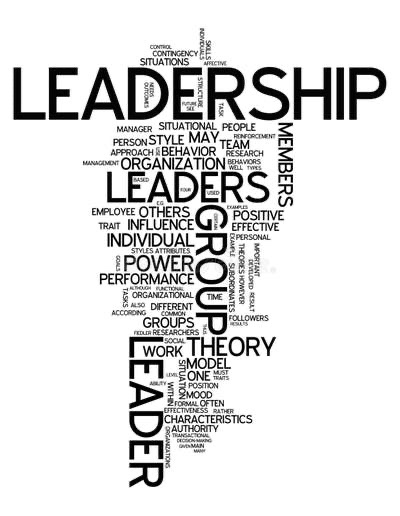
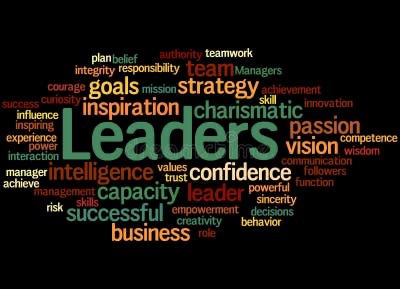








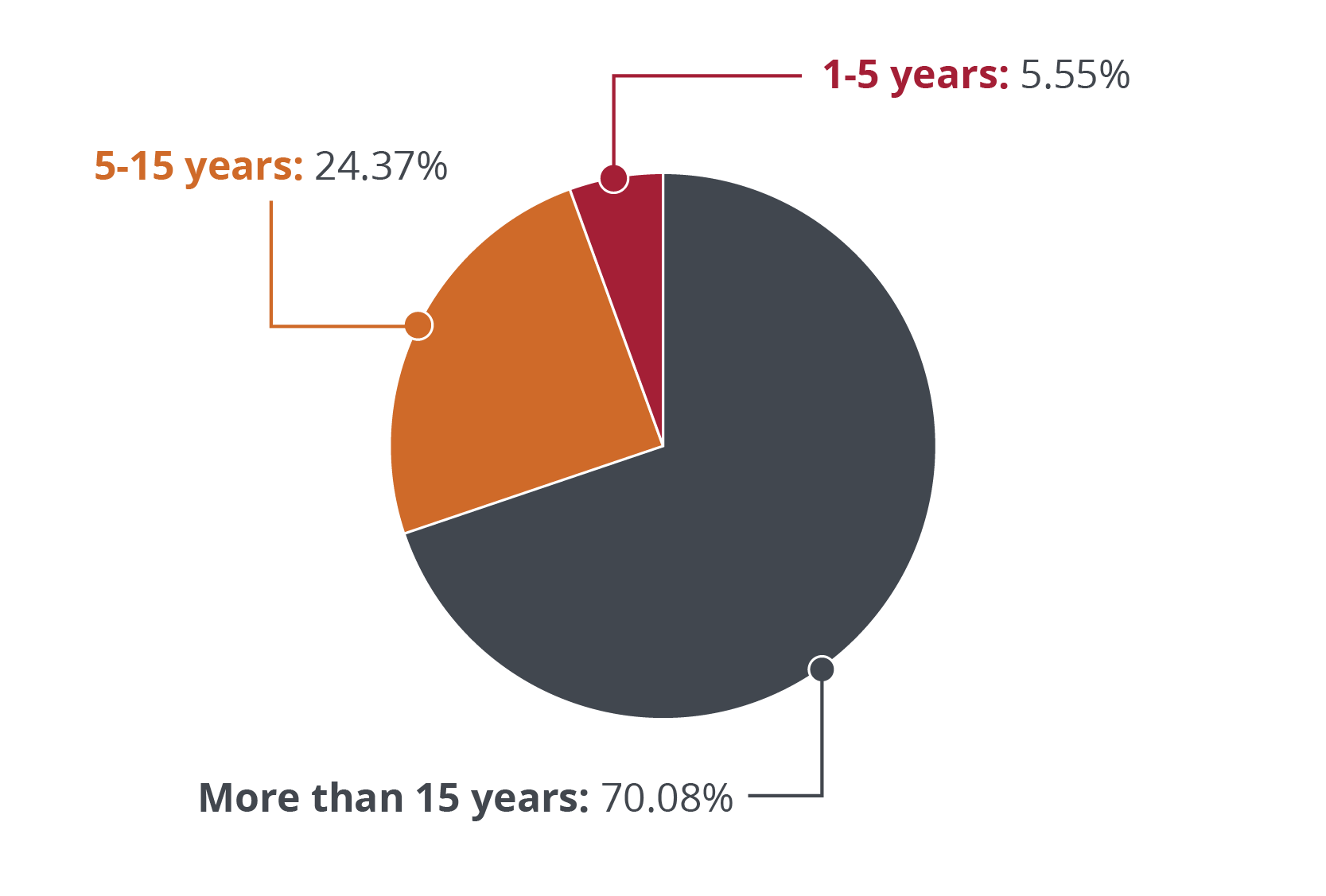




 AMERICAN INTERNATIONAL UNIVERSITY